Move, breathe and live in harmony with nature.

We respect both people and planet.


Introducing our new partnership– a biodegradable, market-ready alternative to conventional synthetics – which recently launched with a capsule sportswear collection. We speak with Matthias Fuchs, CMO at OceanSafe, about the game-changing characteristics of naNea and the potential of this existing innovation.

What is this Lenzing and OceanSafe partnership all about?
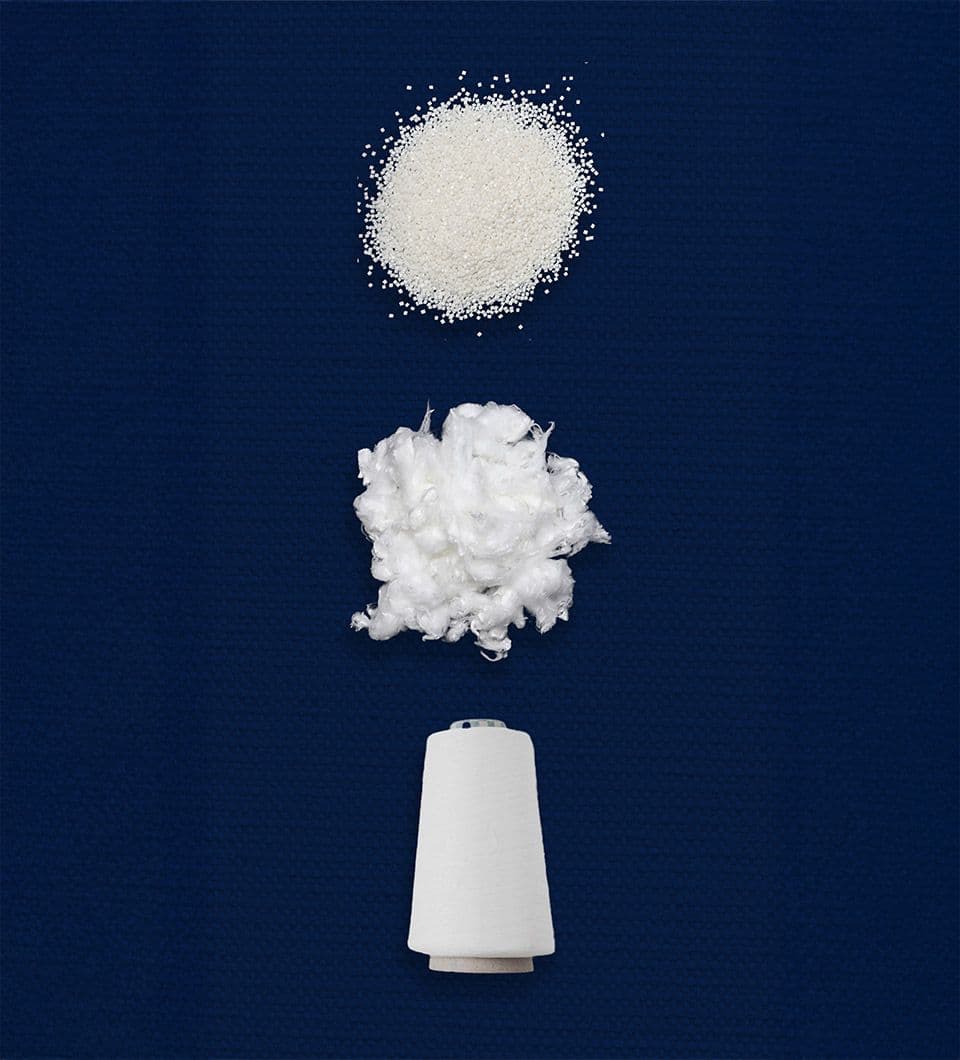
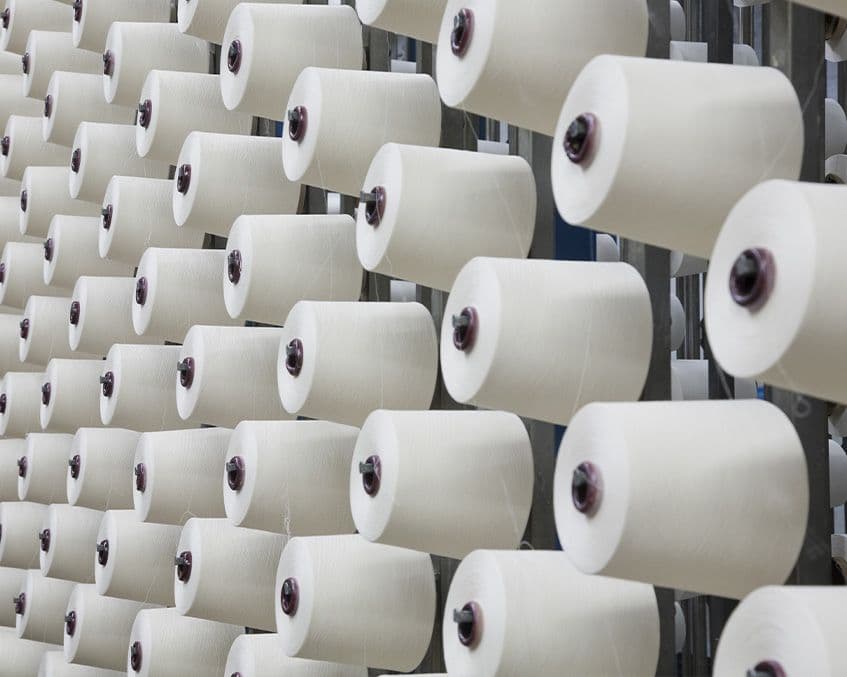
The collaboration brings together the strengths of Lenzing’s TENCEL™, a naturally soft cellulose fiber, and OceanSafe’s naNea, a high-performance, biodegradable co-polyester. The goal is to create yarns and fabrics that combine comfort, durability, and true circularity. Together, the partners aim to launch scalable, innovative and sustainable textile solutions for fashion and performance wear.
What are the unique features and environmental benefits of the naNea fiber compared to conventional polyester?
naNea is a marine biodegradable, recyclable, and non-toxic co-polyester material that performs like conventional polyester but without the environmental drawbacks. It biodegrades in marine environments by over 93% within 99 days (ASTM D6691).
Unlike other solutions, naNea achieves this without using additives. naNea Cradle to Cradle Certified Gold, meaning it meets the highest standards for safety and circularity. naNea does not contain toxicants, offers superior built-in moisture management, and requires less energy during dyeing. It’s a plug-and-play solution that works on existing machinery and is made from recycled, bio-based or virgin feedstocks.
What performance characteristics does naNea offer and how do these compare to traditional materials?
naNea matches the durability of conventional polyester, including tear strength, tensile strength, and resistance to pilling. It offers superior moisture management, with high absorption, fast wicking, and quick drying - ideal for sportswear, fashion, or technical applications. It also provides inherent flame retardancy, without added chemicals, which is beneficial for certain technical applications. naNea delivers equal or better performance across key metrics, while being safer and with less environmental impact.
How would you describe the feel and texture of naNea compared to conventional polyester?
Fabrics made with naNea have a noticeably softer and more pleasant hand feel compared to conventional polyester. The fiber structure creates a smoother, more textile-like touch, without the plastic stiffness often associated with synthetic materials. This makes naNea suitable even for next-to-skin applications.
Can you elaborate on the safety aspects of naNea, such as the absence of toxicants, heavy metals, and microplastics?
naNea is designed to be safe for both people and the planet. It contains no toxic substances, no heavy metals, and no antimony-based catalysts, which are common in conventional polyester. Independent testing confirms that it fully biodegrades into CO₂, water, and biomass, leaving no harmful residues behind. Its safety has been verified through Cradle to Cradle Certified Gold and with independent ecotoxicity testing.



The new capsule sportswear collection made with TENCEL™ Lyocell A100 and naNea fibers features women’s yoga wear, men’s athleisure T-shirts and fleece jackets. Is this the focus for now?
We have seen the strongest traction in fleece and sports and athleisure, where performance and sustainability go hand in hand.Footwear is also emerging as a promising next area, especially for linings and uppers, where the functionality adds real value.
Any final comments?
A key takeaway was the power of collaboration. What really resonated with visitors was that innovation and sustainability are not just concepts we talk about – they are becoming reality through partnerships like this. With Lenzing and a strong network of manufacturing partners, we are bringing real, market-ready products to life. These are full drop-in solutions that brands can start using today, showing that meaningful change in the industry is not only possible but already happening.
1 Adhering to the company’s commitment to environmental protection and resource preservation, Lenzing procures wood and pulp only from certified or controlled sustainable sources. In its Wood and Pulp Policy, Lenzing is committed to procuring wood and pulp exclusively from non-controversial sources.
2 Biodegradable in the ocean: Marine biodegradable in 99 days by >93% (according to ASTM D6691-17, Lab: Archa Srl, Pisa, Italy, Test No. 22302453,https://www.archa.it/) https://www.oceansafe.co/textile-materials/nanea
This website uses cookies!
Click on “Allow all cookies” to accept our analysis cookies or click on “Reject” to permit only the cookies
which are absolute necessary to operate the website.
You can find detailed information here