Can you tell us about your professional journey and how you arrived at this point?
I’ve lived and worked in Hong Kong for nearly 15 years, deeply immersed in the world of leather goods and accessories production, in the Guangzhou province, in the south of China. I collaborated with a variety of international brands and witnessed firsthand the enormous environmental footprint this industry leaves behind—particularly in terms of leather waste. That exposure pushed me to think differently. Instead of merely adapting to sustainability trends, I wanted to initiate meaningful change. Teaming up with my co-founder Aron Yu, we leveraged our complementary skills and experiences to bring Recyc Leather to life.
What are some details about the leather industry that people might not be aware of?
Most consumers don’t see the amount of leather waste generated during manufacturing—offcuts, flaws, unsold inventories—much of which ends up incinerated or in landfills. Then there’s the intensive use of water and chemicals in the production processes, which impacts the environment. Leather production, while often seen as a byproduct of the meat industry, is a resource-heavy operation with long-term ecological consequences. These realities are often hidden behind the allure of luxury.
How long did it take to develop PELINOVA®?
It took about 18 months of intensive research and development. We went through numerous trials to refine the formula, balance strength and flexibility, and ensure the material could meet the demands of fashion, footwear, and interior design. Our goal wasn’t just to recycle leather—it was to create a material that truly performs and inspires. We didn’t want a compromise product; we wanted something innovative, scalable, and beautiful.
How was Lenzing essential?
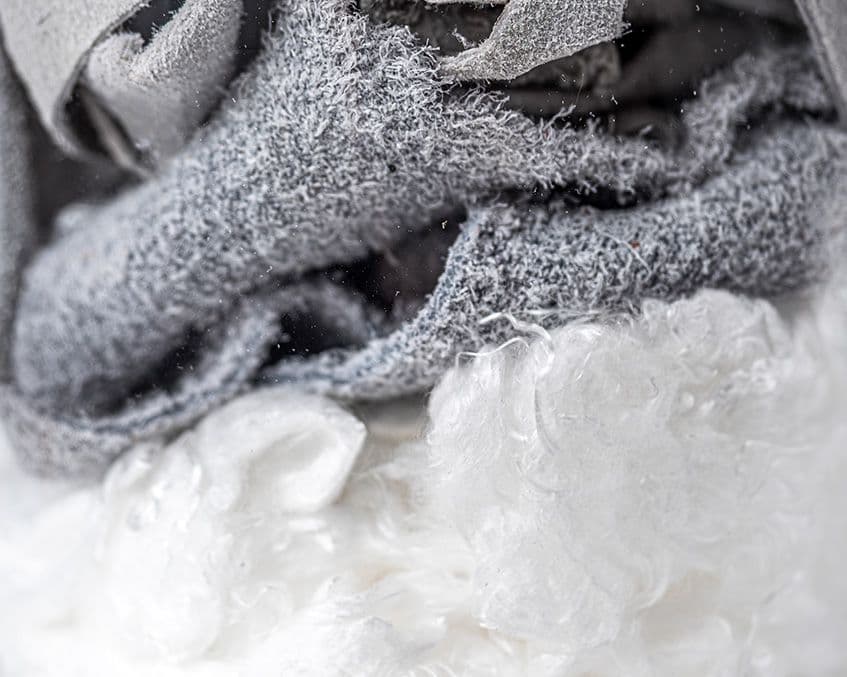
Lenzing was a key partner in achieving our vision of sustainability and performance. Their TENCEL™ Lyocell fibers bring exceptional qualities—renewability, softness, strength, and traceability. When combined with our recycled leather fibers through hydro-jet technology, the result is PELINOVA®—a material that carries the tactile appeal of leather, with a radically lower environmental impact.
This partnership is a textbook example of how collaboration can drive material innovation.
What are the material benefits as an alternative to traditional leather?
First and foremost, PELINOVA® significantly reduces the carbon footprint compared to conventional leather. It allows for more efficient cutting, reducing waste in the production process. It's also free from toxic tanning chemicals and uses 70% less water during production. In short, it performs beautifully in both design and durability, without the ecological burden of animal-based leather.