




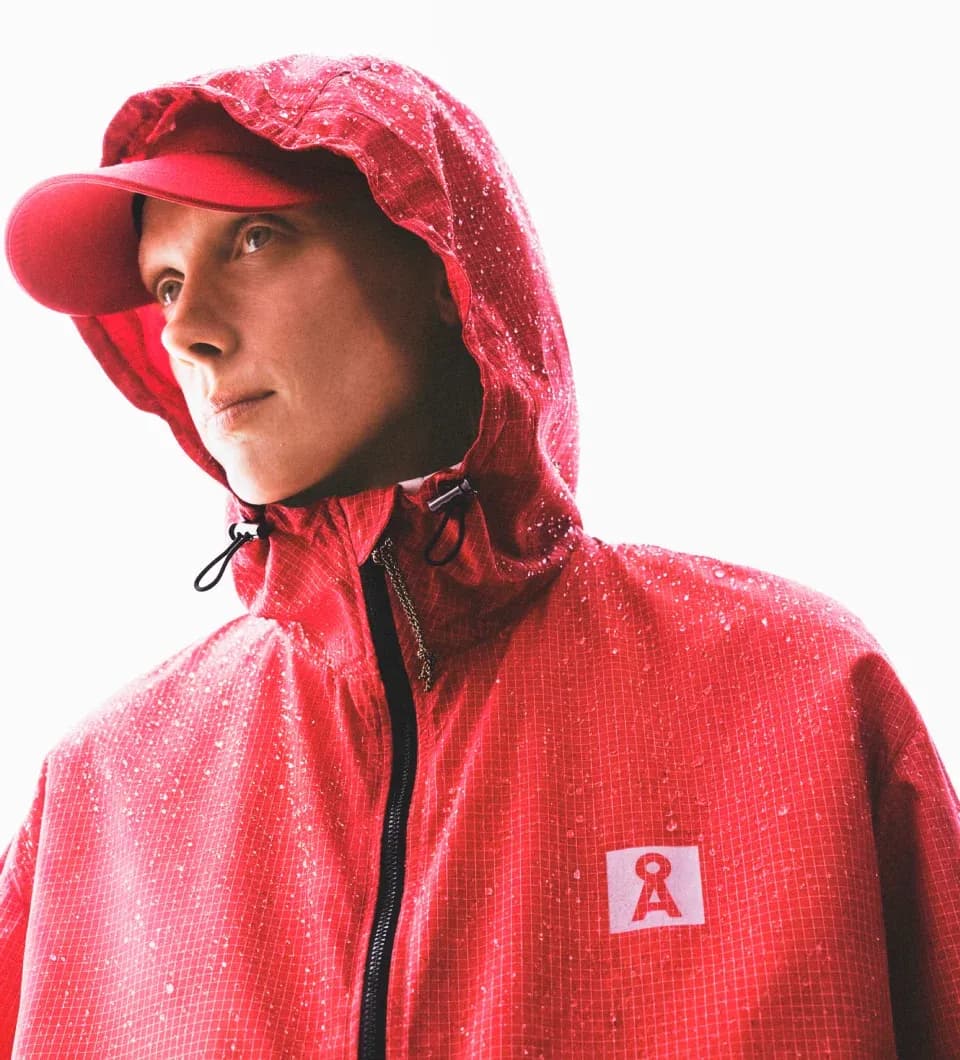

High Performance: Zero PFAS
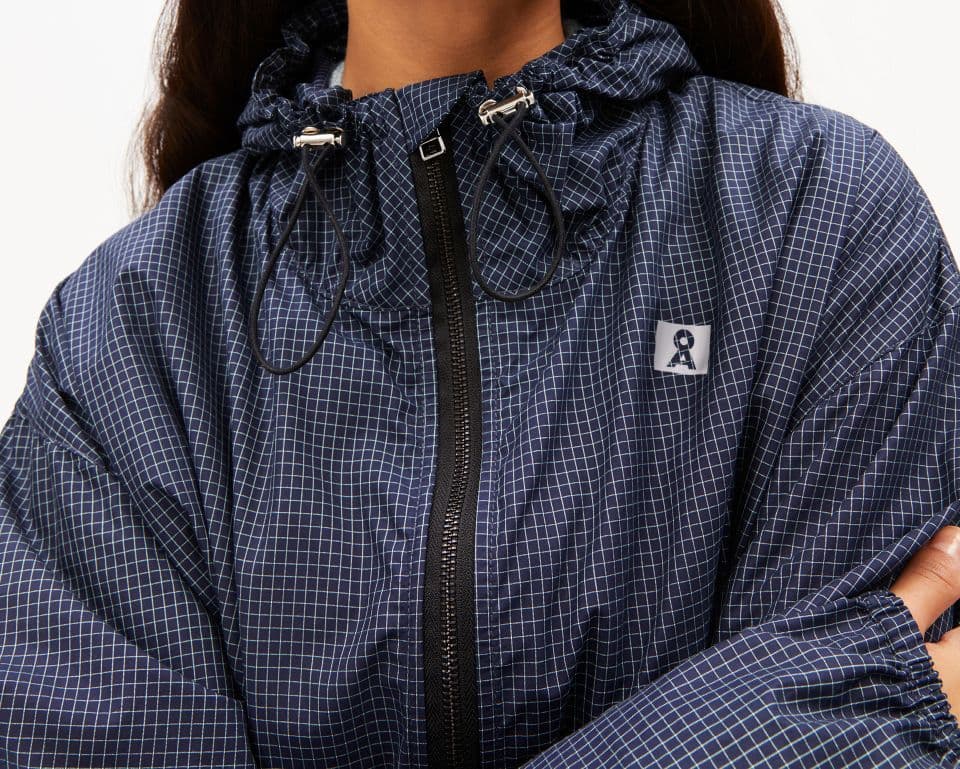
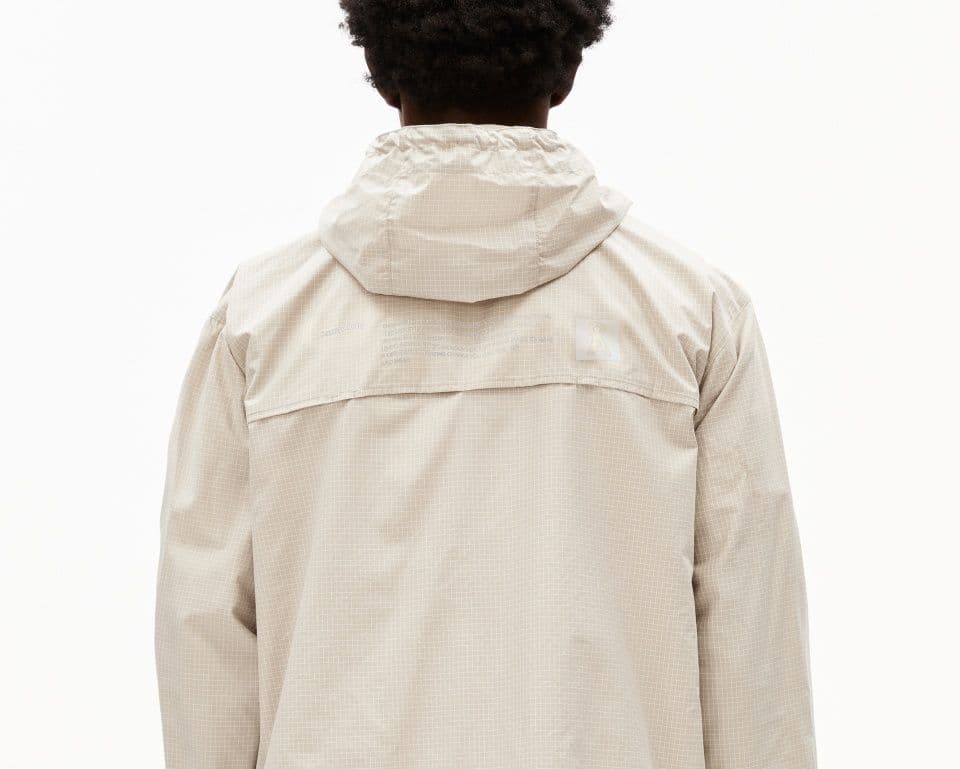
The Cologne-based brand ARMEDANGELS embraces cellulose-based performance outerwear with a new windbreaker style, developed in collaboration with TENCEL™ and textile consultancy Montebelo. The lightweight, quick-drying, all-gender ripstop jacket is engineered for transitional seasons and unpredictable weather. Available in three colourways, it represents something the performance outerwear industry has long insisted was impossible: functional protection made from renewable materials.
To understand how it all came together, we spoke with the Armedangels founder, Martin Höfeler, and Johannes Fürst, Managing Director of Montebelo, about the project.
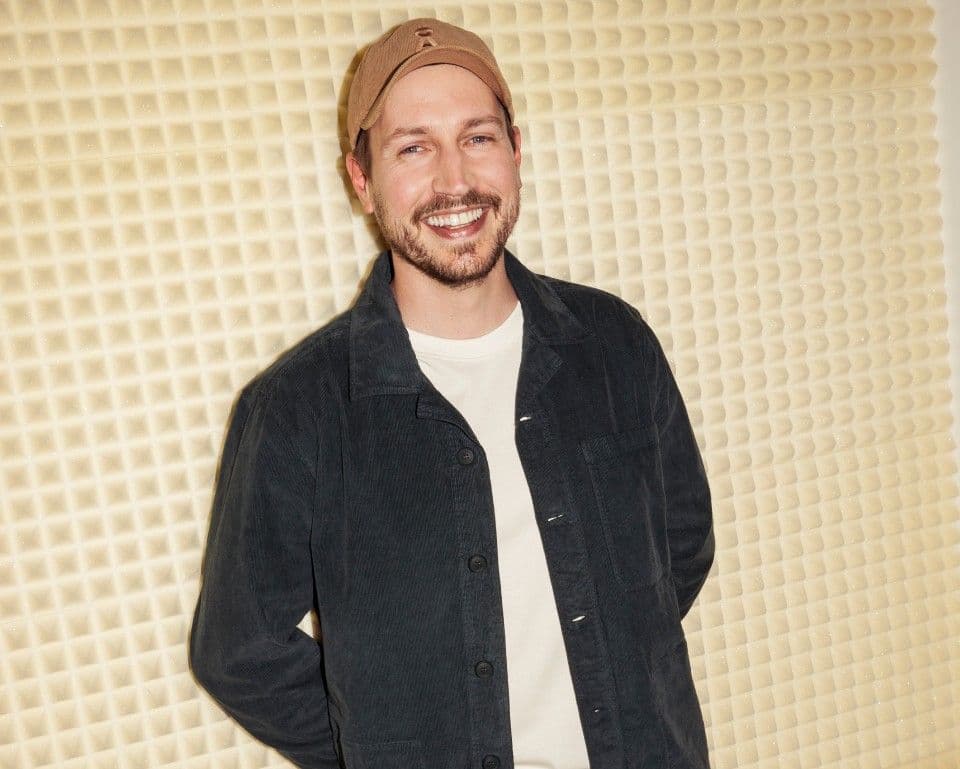
Martin, what prompted ARMEDANGELS to move into outerwear, and how does the category currently stand in terms of sustainability?
Performance outerwear remains heavily dependent on oil-based synthetics, membranes, and chemical finishes. Even recycled synthetics largely optimise existing systems rather than replace them. Meanwhile, demand for functional clothing suited to everyday urban use is growing. This project explored whether performance properties — wind resistance, breathability, and wearing comfort — could be achieved through renewable, material-driven alternatives.
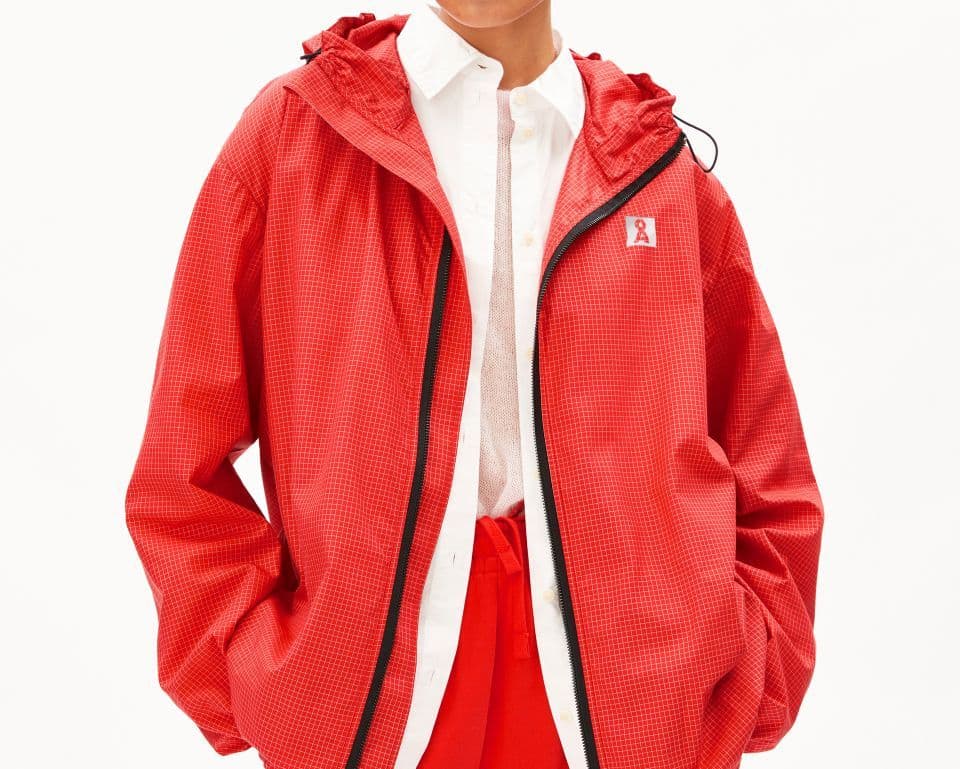
How does this project reflect ARMEDANGELS' mission to create change rather than just fashion products?
The focus here was on changing material systems rather than producing seasonal fashion. It demonstrates that functionality doesn't have to depend on fossil-based fibers or harmful chemicals. By developing a windbreaker without synthetics, membranes, or PFAS, ARMEDANGELS applies its sustainability principles to a category that has historically been hardest to decouple from them.
What were the biggest technical challenges in replacing synthetic materials?
The central challenge was achieving reliable wind protection in a breathable fabric without synthetic fibers or membranes. Performance properties typically delivered through chemical finishes had to instead be built into the fabric construction and material density, while preserving breathability and wearing comfort throughout.
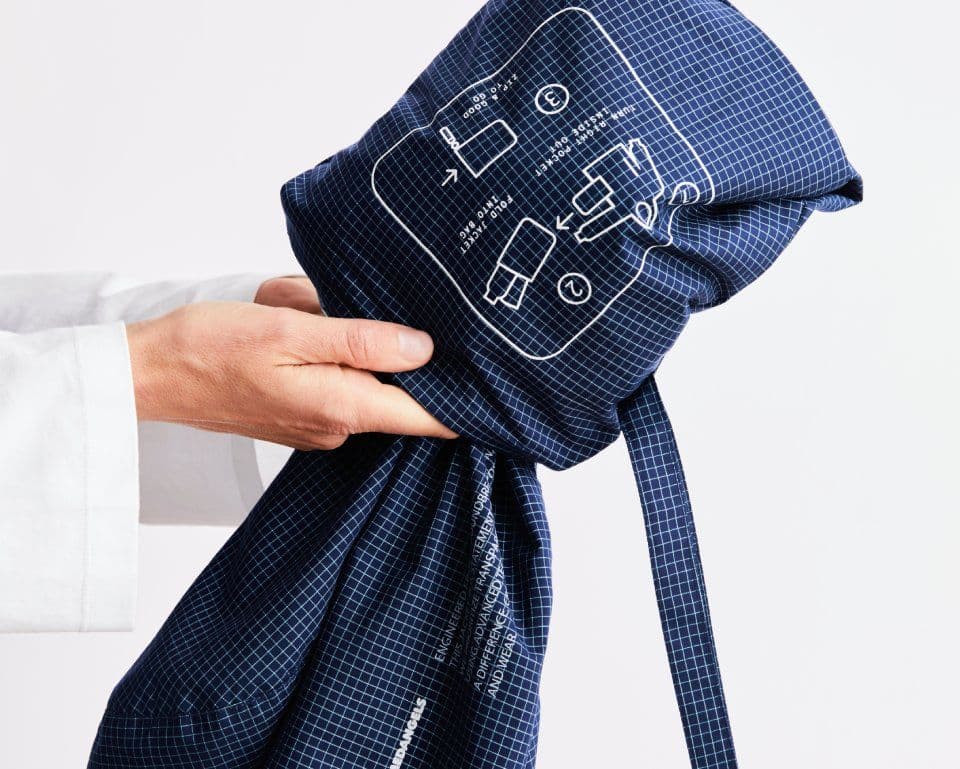
Johannes, what was Montebelo's role in developing the fabric?
Montebelo worked closely with the R&D team at Her Min Textile Taiwan to develop a material alternative to conventional outerwear fabrics. Beyond technical development, our role involved coordinating across supply chain partners and managing the expectations and challenges at each processing stage — from fiber to yarn to fabric — as well as the specific finishing techniques required.
Johannes, what makes this TENCEL™ ripstop fabric distinct from conventional synthetic outerwear materials?
The 100 percent TENCEL™ lightweight ripstop represents an entirely new fabric category for outerwear. It achieves 97 percent windproofness while remaining highly breathable — performance that, until now, has only been matched by synthetic membranes. This is reached through a combination of microfibers, high-end spinning, extra-dense weaving, and specially adapted heat-press finishing, with a PFC-free water-repellency treatment as a final layer of innovation.
Martin, how is transparency maintained across the supply chain for this product?
Through clearly defined material choices and identified production partners. The fabric uses TENCEL™ Lyocell fibers sourced from certified or controlled wood, produced by Lenzing in a closed-loop process. Spinning, weaving, and finishing are all handled by named partners within the supply chain.
What role does TENCEL™ play in delivering comfort and performance sustainably?
TENCEL™ Lyocell provides the material foundation. The fibers are naturally soft, breathable, and temperature-regulating, supporting a dry wearing feel through effective moisture management — without chemical additives or membranes. TENCEL™ Lyocell is also produced with significantly lower water use and CO₂ emissions than conventional Lyocell, reinforcing the project's sustainability goals.
Johannes, how do collaborations like this shape the future of synthetic-free outerwear?
They prove it's genuinely possible. Through shared communication, this collaboration speaks not just to consumers but to retailers and other brands — demonstrating that real alternatives to petroleum-based products exist. (Recycled plastic bottles, it should be noted, are not part of that solution.) The hope is that it encourages brands to build meaningful partnerships with material producers, move beyond NDAs and exclusivity, and share solutions openly so that sustainable materials can scale across the industry.
And what impact do you hope this project has on the wider performance outerwear industry?
It aims to show that functional outerwear can be built from renewable, cellulose-based materials — and to challenge the assumption that performance inevitably requires synthetics and chemical systems. By presenting a working, market-ready alternative, ARMEDANGELS hopes to encourage the industry to rethink material choices and move innovation beyond fossil-based solutions.