




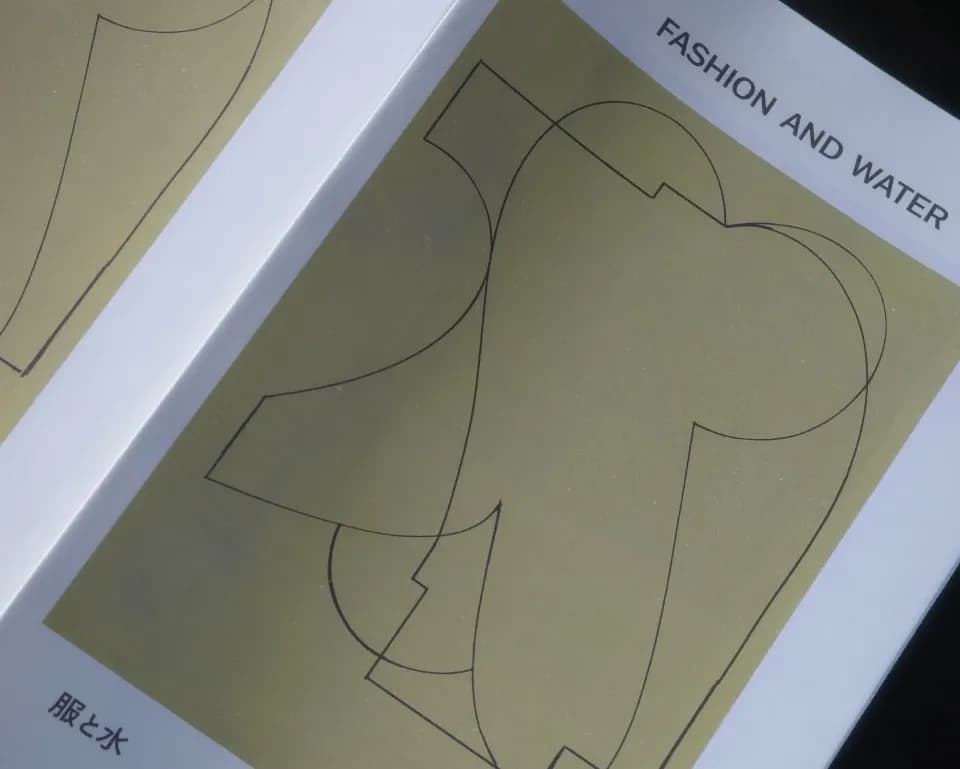
For us at TENCEL™, water stewardship sits at the heart of how we think about sustainability. This month, Fashion Revolution Japan published Fashion and Water - a new booklet examining the relationship between clothing and water use. Below is an excerpt from their interview with Krishna Manda, Global Head of Sustainability at Lenzing, on our initiatives and philosophy. His advice for young companies is characteristically direct: "First, map your value chain and find out which suppliers are located in water-scarce areas. Then, review your raw materials and choose those that use less water."
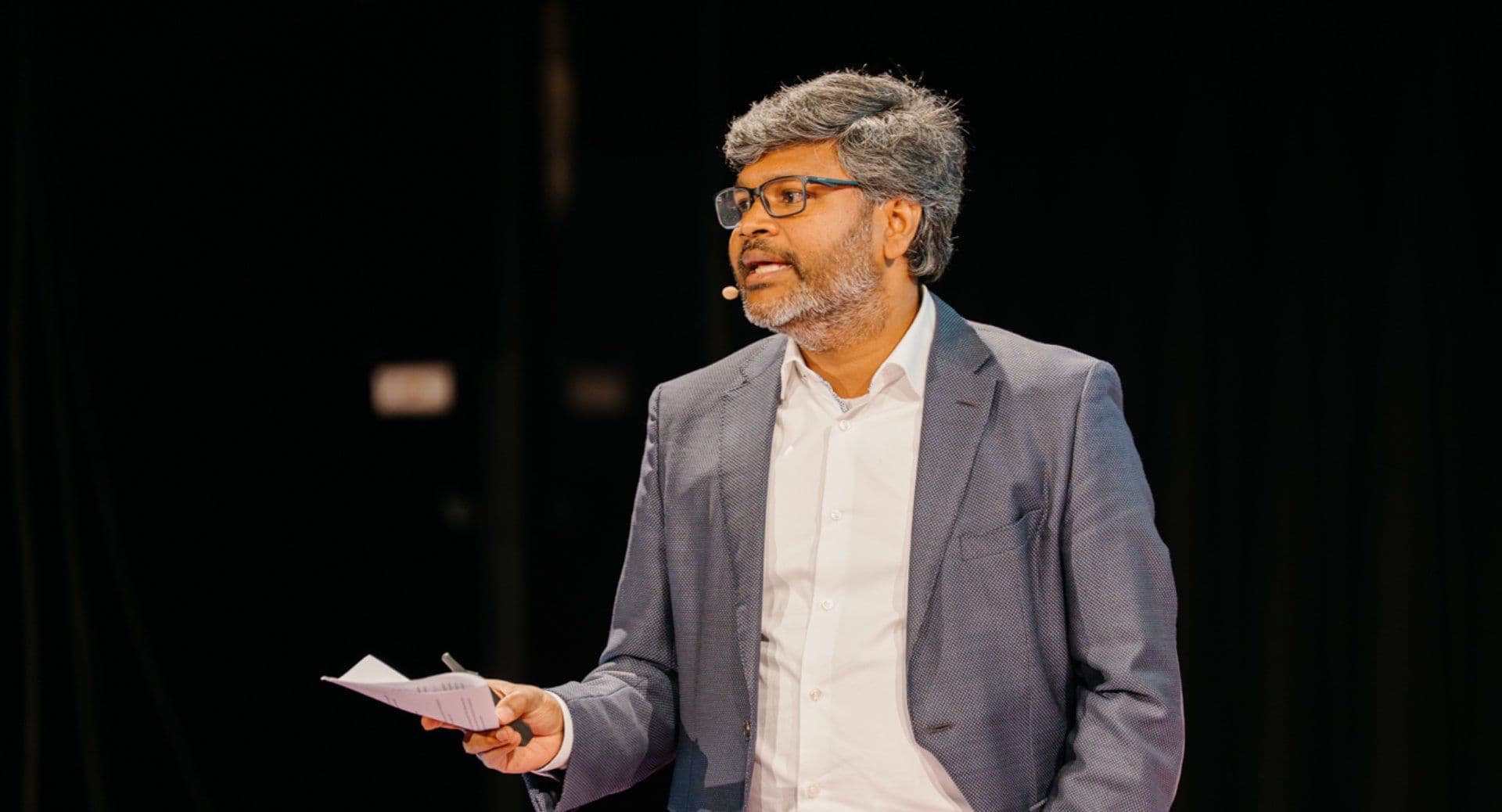
Lenzing has just released its 2025 Sustainability Report. Could you tell us about the highlights of this report, particularly regarding water resources?
Water issues can be categorized into water intake, consumption, and water pollution, right? We've been working to optimize these over the past several decades, but what we've created for more progress is to further reduce wastewater pollution. We have nine facilities around the world, and of course, they comply with local regulations. However, as a European company, wherever the facility is - in Asia, America, Europe, etc. - we aim to meet the most advanced European standards, which are higher than local standards. With this in mind, we set a goal a few years ago to reduce the COD (Chemical Oxygen Demand), an indicator of the pollution load of water discharged into the environment. We achieved that goal again this year through significant investments. We are also a signatory to ZDHC (Zero Hazardous Chemicals Emissions) and have supported this program for nearly a decade. We also make dope-dyed fibers that can avoid conventional dyeing in the downstream value chain.
I see. You mentioned significant investments, and many other companies might be interested in how to make sustainability investments economically viable.
Exactly. Seven or eight years ago, we discussed this with our board of directors and talked about global trends. At the heart of all the decision is "what kind of presence do we want to have in this world?" That's our identity. Lenzing's leadership says, "If we don't do it, who will?" We should be trendsetters, pioneers, and trailblazers.
Sustainability performance, business performance, and brand identity are all linked. Lenzing has been working on water quality conservation since the 1980s, long before sustainability became as widely recognized as it is today. Were there particularly enthusiastic individuals within the company at that time?
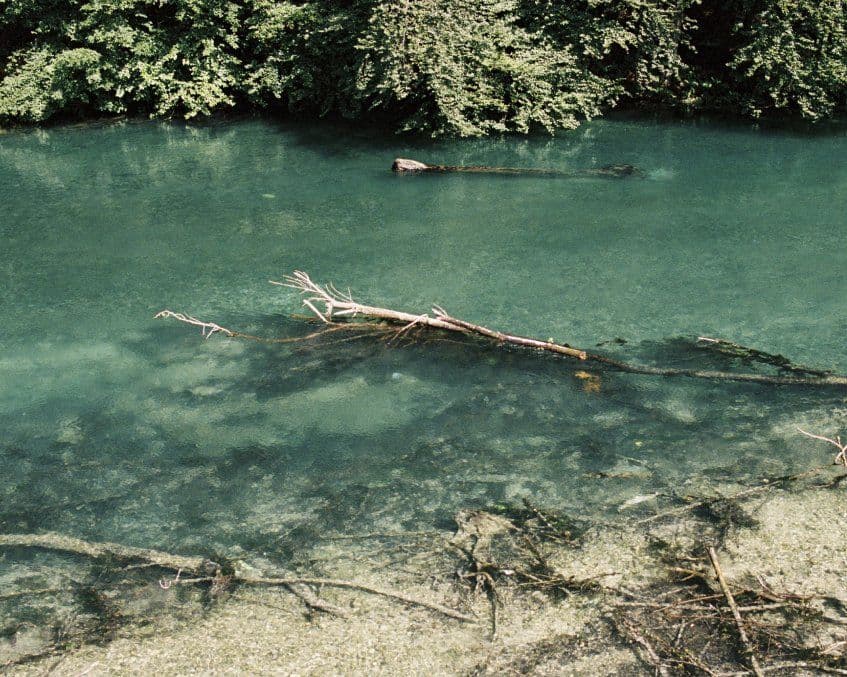
Many companies claim that sustainability is embedded in their DNA, but I don't think that's entirely true. The same goes for Lenzing; we weren't always a model sustainability company from the start. Let me tell you the truth here. About 40 years ago, there was a time that European regulations became very strict. There were around 30 viscose factories in Europe back then, but many couldn't keep up with the regulations and closed down. At that point, Lenzing realized that if they didn't change, the company wouldn't survive. They had two options. One was to close this division and move into synthetic and plastics. The other was to invest in this division and improve production. Ultimately, they chose to invest in pulp and fiber production. The biorefinery concept we implemented uses wood as a raw material and has reduced the pollution burden equivalent to that of approximately one million people. In other words, it reduced the scale of pollutants typically emitted in a city of 1.2 million people to the equivalent of a few thousand people. There's a river flowing behind the factory, and at the time, it was muddy and frothy. I'd love to show you if you are ever in Austria, after the massive investments a few decades ago already, the water is so clear you can see the fish swimming.
After all that, Lenzing's fibers have become an option that significantly reduces water usage and pollution. How should brands and creators interpret this fact when choosing materials?
Climate change is creating various problems such as droughts and floods, increasing risks in the value chain. Therefore, if I were a brand, I would consider ways to diversify materials without compromising performance. From that perspective, our fibers offer an opportunity to mitigate risk and improve the portfolio. Furthermore, looking at regulations, it has been confirmed that using Lenzing's fibers - TENCEL™ Lyocell, TENCEL™ Modal and LENZING™ ECOVERO™ branded fibers - will allow us to prepare and comply with future regulations.
Meaning you can provide all the accurate information regarding traceability?
That's right. Lenzing can provide fact based scientific information with transparency and traceability.
Lenzing has achieved remarkable results in water management, but what areas could be further improved?
In reality, there are always trade-offs. For example, in some facilities, we've introduced reverse osmosis technology to treat wastewater and return it to the cooling tower. By reusing water, we eliminate the need to draw in fresh water. However, that treatment consumes electricity, and that electricity must be supplied from some energy source. Renewable energy would be ideal, but in some locations, renewable energy isn't available. Therefore, practices that improve this in the future would undoubtedly present a great opportunity. Innovation is an area we can improve further. For example, we have dope-dyed fibers such as Modal Color and Modal Indigo that can avoid downstream water impacts from dyeing facilities. So, we as Lenzing but also as industry can further improve innovation to further reduce impacts on the value chain.
Finally, what advice would you give to fashion and textile companies that are just beginning to address water issues?
First, map your value chain and find out which suppliers are located in water-scarce areas. Then, review your raw materials and choose those that use less water. Of course, I would recommend considering Lenzing's products.