About Nature. Future. Us.
At TENCEL™, we weave together the stories of nature and people. The invention of TENCEL™ Lyocell and Modal branded fibers was a historical breakthrough in the production of sustainable materials.1 Since 1938, leading global wood-based fiber manufacturer Lenzing has been researching and innovating from a small town in Austria. This led to the creation of modal in the early 1950s, and further innovations that saw lyocell created in the 1990s in various locations.
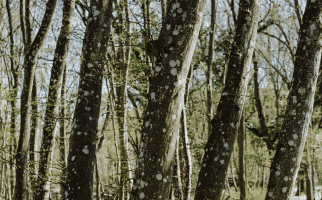
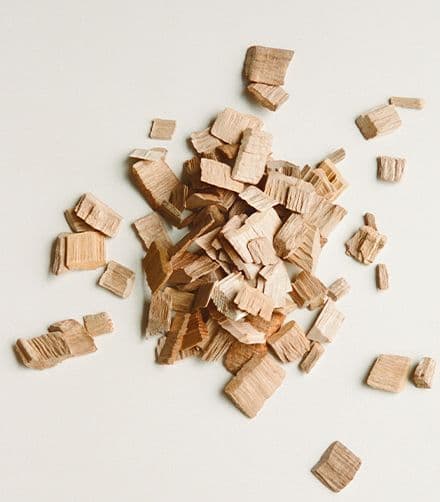
TENCEL™ Lyocell and Modal are regenerated cellulosic fibers. They are derived from cellulose, a natural polymer, that is the building block of wood. The wood used as raw material for all TENCEL™ Lyocell and Modal fibers is sourced from controlled or certified origins meeting FSC® or PEFC standards following the stringent guidelines of the Lenzing Wood and Pulp Policy.
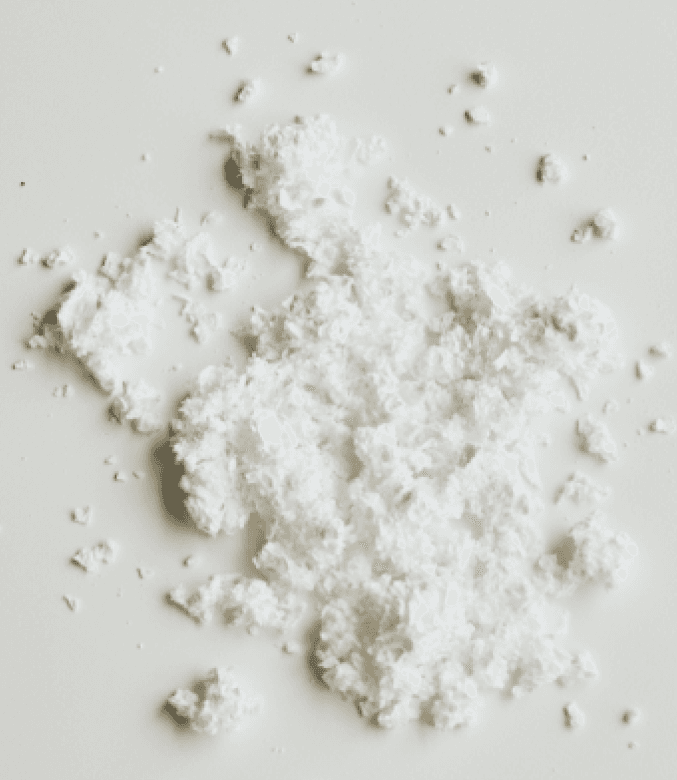
Regenerated cellulosic fibers are made using a two-stage process. In the first stage, pulp is produced, in a manner very similar to the production of pulp used in paper industry. In the second stage, pulp is dissolved and cellulosic fibers are regenerated from the solution into a suitable diameter and length. Using different technologies (viscose, modal, lyocell), staple fibers or filaments are produced for use in textile applications.
Transforming cellulose pulp into fibers requires a special quality of pulp, referred to as dissolving wood pulp, which must meet different requirements than those for paper pulp. Among other features, dissolving wood pulp must have a pure cellulose content of over 90 percent, lower impurity levels, be bleached to a specific level of brightness and have a more uniform molecular weight distribution. Lenzing's biorefinery process ensures that 100 percent of wood constituents are used to produce dissolving wood pulp for fiber production, bio-based products, and bioenergy, thereby maximizing value creation from an economic and environmental perspective.
For the second stage, Lenzing uses two different processes to transform pulp cellulose into fibers.
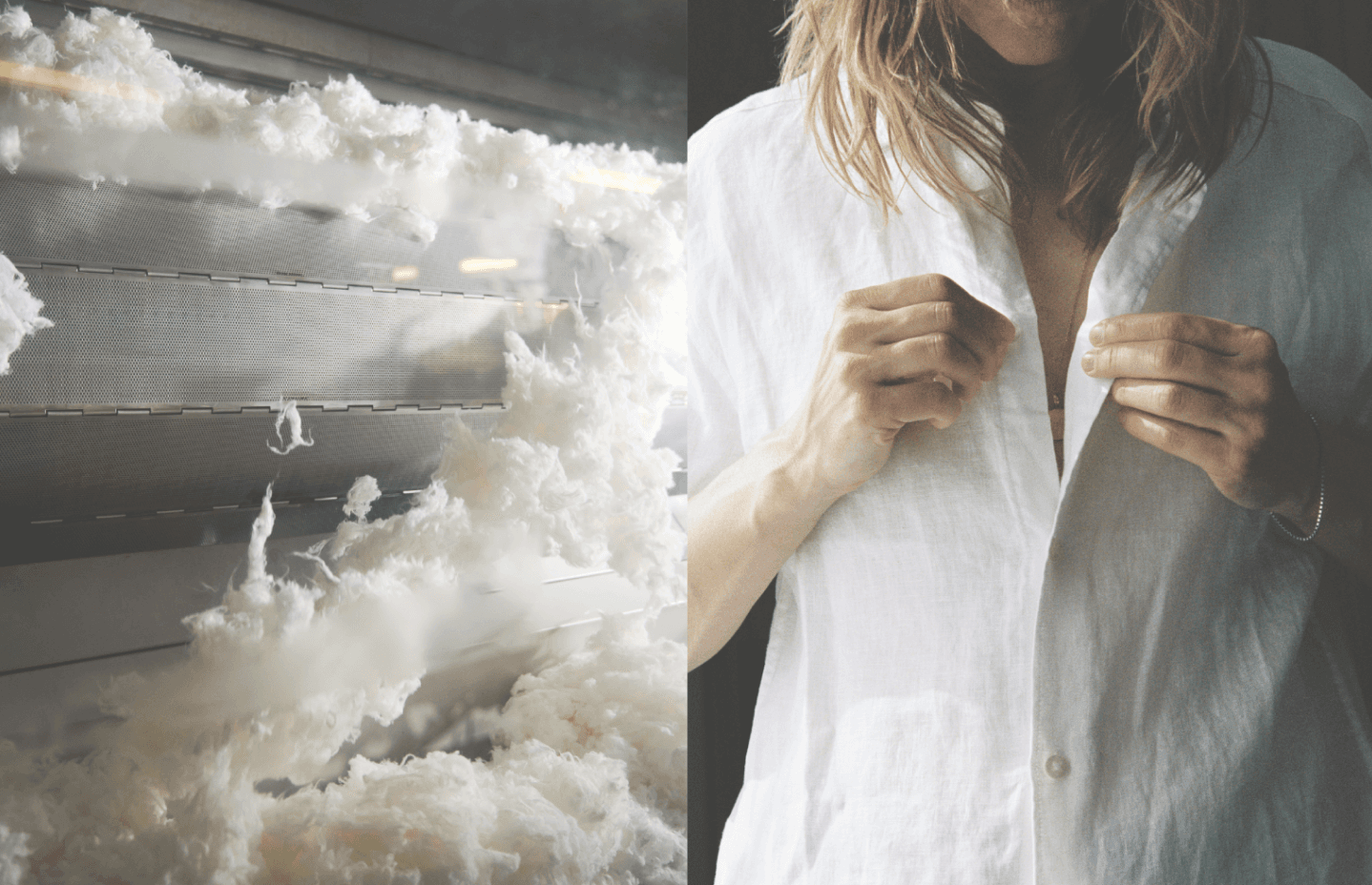
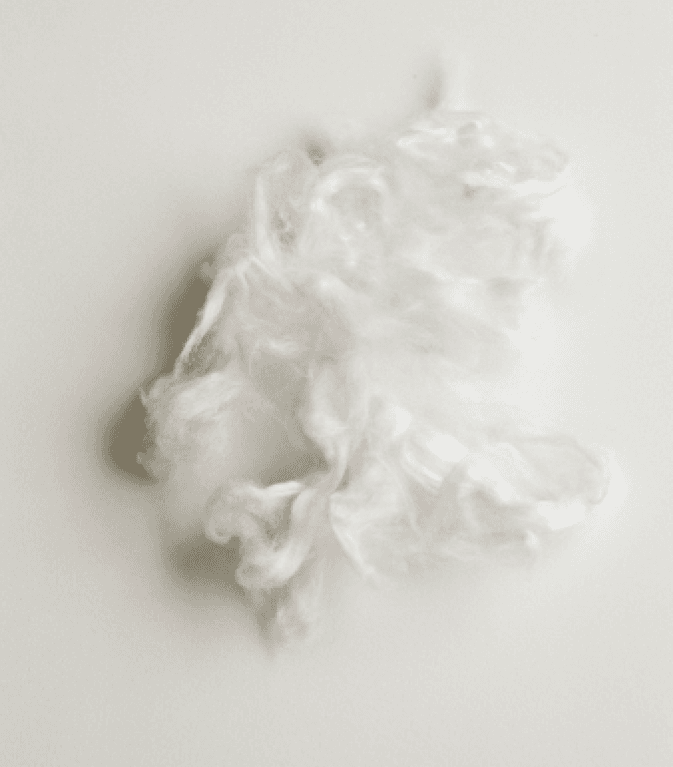
TENCEL™ Lyocell fibers are made with an innovative closed loop production process. Wood pulp is dissolved and the solution is pumped through spinnerets to form a filament that is then washed, dried, opened and pressed into bales. Filaments are cut into staple fibers either before or after washing and drying. More than 99.8% of the solvent is recovered and fed back into the loop, resulting in close-to zero wastage.
TENCEL™ Modal fibers are produced in a modified viscose process that uses resource-efficient technology with high recovery rates of chemicals. The cellulose in the Modal is dissolved, filtered, spun and cut into staple fibers. The final fiber product is regenerated cellulose.
1 TENCEL™ Lyocell and Modal fibers are made with at least 50% less carbon emissions and water consumption compared to generic lyocell and modal. Results based on LCA standards (ISO 14040/44) and available via Higg MSI (Version 3.12)
2 TENCEL™ Lyocell and Modal fibers give fabrics a natural softness, making them feel pleasant against the skin.
3 Lenzing was awarded platinum status from EcoVadis since 2021, for strong sustainability governance and transparency, across the assessment areas environment, labour & human rights, ethics, and sustainable procurement.
4 The wood used as raw material for all TENCEL™ Lyocell and Modal fibers is sourced from certified or controlled wood sources, following the stringent guidelines of the Lenzing Wood and Pulp Policy. For its highly responsible sourcing practices helping to protect ancient and endangered forests, Lenzing has been recognized as one of the best performing companies globally in Canopy’s Hot Button Report since 2020.
5 LENZING™ Lyocell and Modal standard fibers are certified by TÜV AUSTRIA as biodegradable in soil, freshwater and marine environments, and compostable under home and industrial conditions.
6 EU Ecolabel for textile products (license no. AT/016/001).
7 FSC® (FSC-C041246) or PEFC (PEFC/06-33-92) certification.
8 OEKO-TEX® STANDARD 100. (Certification number 74683; test institute OETI). For details refer to: www.oeko-tex.com
10 Lenzing has been part of the ZDHC MMCF Task Team since 2018, part of our ongoing commitment to lowering the environmental impact of the fiber industry. Lenzing was the first cellulosic fiber producer to set concrete scientifically verified science-based targets aiming for a reduction of greenhouse gas emissions.
11 Statement based on “Terinte et al., 2014: Terinte, N.,Manda, B.M.K., Taylor, J., Schuster, K.C., and Patel, M. (2014). Environmental assessment of coloured fabrics and opportunities for value creation: spin-dyeing versus conventional dyeing. Journal of Cleaner Production, Vol. 72: 127–138.”; Textile processing steps being similar for Modal and Viscose, therefore savings are based on calculations of fabric production and dyeing via jet dyeing excl. fiber impact.
12 The climate targets of the Lenzing Group approved by SBTi are absolute reduction targets starting from the base year 2021; in contrast to the previous intensity-based climate targets with base year 2017.
13 For details, please refer to Focus Paper Pulp and Fiber Production. https://a.storyblok.com/f/306166/1feafe39c1/focus-paper-responsible-production-en.pdf
14 Savings consider solvent recovery.
15 TENCEL™ Lyocell and Modal fibers certified with the EU Ecolabel have a reduced environmental impact across multiple stages of the product life cycle. EU Ecolabel for textile products (license no. AT/016/001).
16 Studies using the Tactile Sensation Analyzer (TSA) and Fabric Touch Tester (FTT) as measuring devices have confirmed the softness of fabrics made of TENCEL™ Lyocell and Modal fibers.
17 Both TENCEL™ Lyocell and Modal fibers have a high tenacity profile favoring processing stability. This enables TENCEL™ fibers to withstand faster production speeds in machinery, while at the same time making critical contributions to yarn strength and quality.
18 Not applicable to LENZING™ Lyocell LFH, LENZING™ Modal Sun / Color / Black